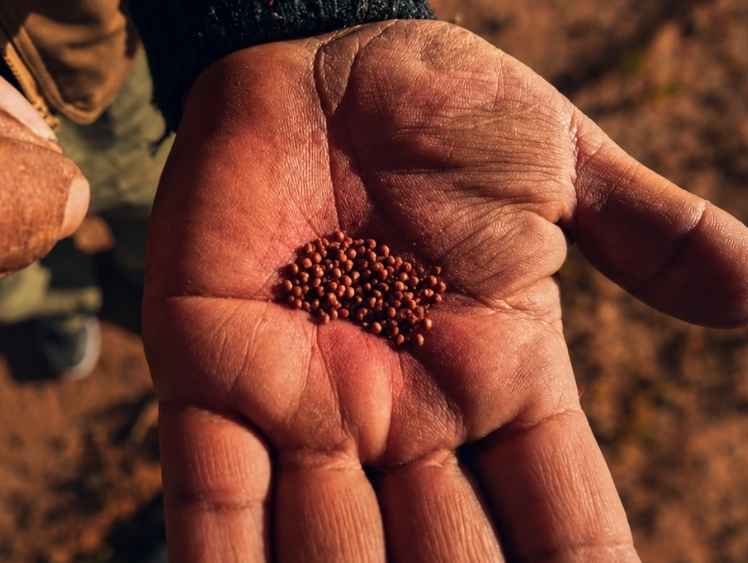
Bolivia – Regenerative Agriculture in Quinoa Farming

Supporting farmers in the Bolivian Altiplano to restore degraded soils through regenerative agriculture and organic quinoa production.

Every contribution helps rebuild soil health and secure the future of quinoa farming.

Farmers reached
+ 0
Regenerative agriculture
0 Ha.
Yield increase
0 %
Farmers certified
0

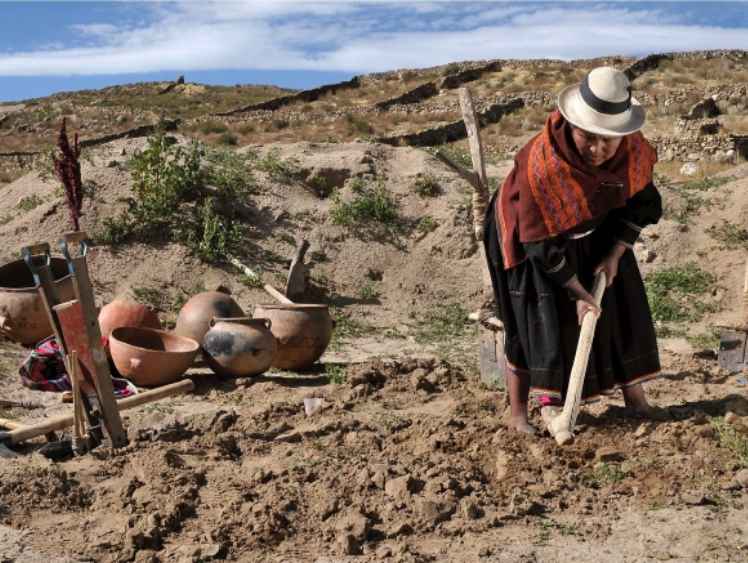
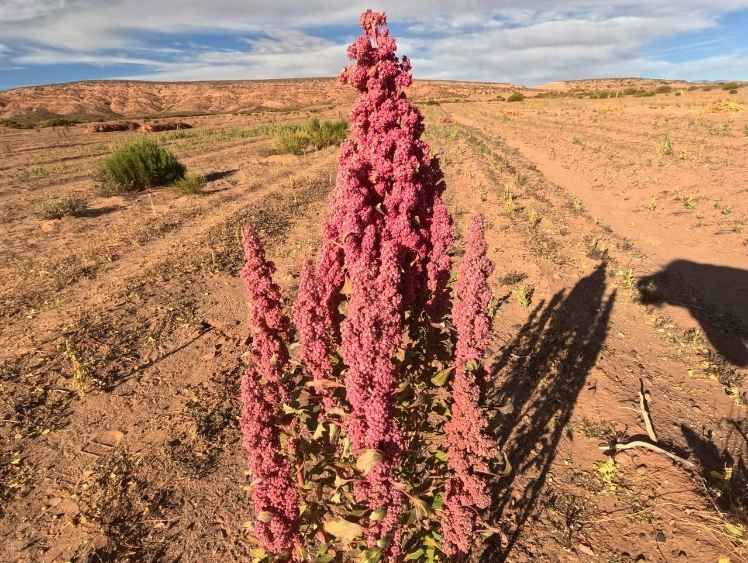
For centuries, quinoa was cultivated in the Bolivian Altiplano using traditional farming practices adapted to one of the world’s most fragile ecosystems. Farmers relied on natural fertilisation, small scale production and ancestral knowledge to work in balance with the land.

In 2004 it was the global quinoa boom

After 2004, growing global demand turned quinoa into an internationally recognised superfood. Production expanded rapidly, with the cultivated area increasing from around 35,000 to more than 100,000 hectares in just two decades.

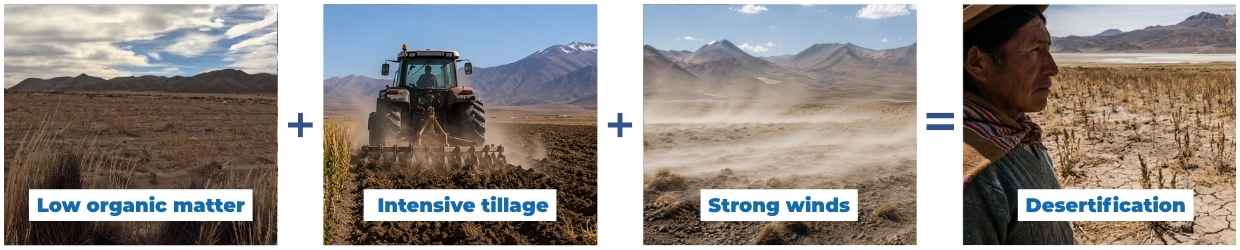
Combined with naturally low organic matter soils, strong winds and intensive tillage practices, this rapid expansion accelerated soil erosion and reduced soil fertility across the region.

Today, an estimated 20% of the Southern Altiplano is already affected by land degradation. Without action, this figure could reach 40% within the next five years.

From balance to degradation

Traditional Farming

Manual Farming

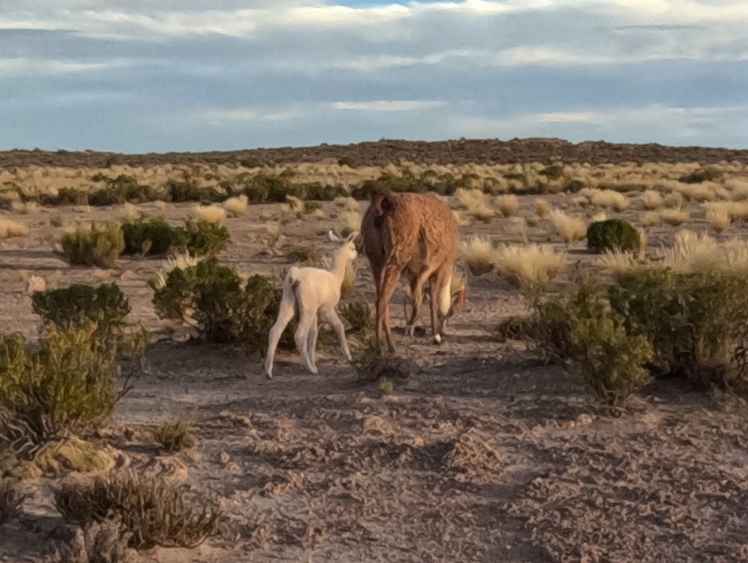
Llama fertilization

Small Scale production

After Quinoa Boom

More land cultivated

Intensive tillage

High pressure on soils

The result

Soil erosion

Loss of fertility

Land degradation

The desertification ecuation

Regenerative agriculture: A practical solution for degraded soils

In Bolivia, regenerative agriculture is helping farmers reverse soil degradation while producing high quality organic quinoa adapted to the harsh conditions of the Altiplano.

What is regenerative agriculture?

Nature and agricultre working together

Regenerative agriculture helps farmers rebuild soil health while producing high quality organic quinoa.

Through practices such as composting, reduced soil disturbance, cover crops and natural fertilisation, farmers improve productivity while protecting the environment.

Regenerative practices in action

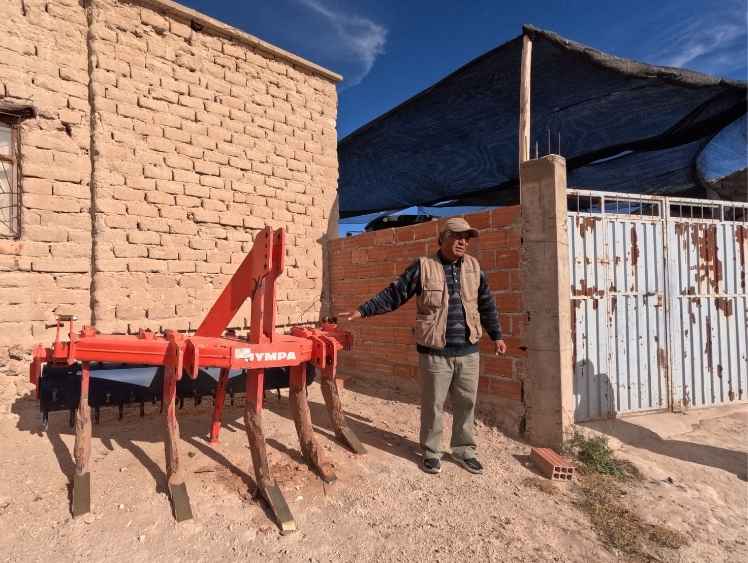
Reduced tillage

Protects soil structure and reduces erosion

Organic fertilisation

Improves soil fertility and water retention

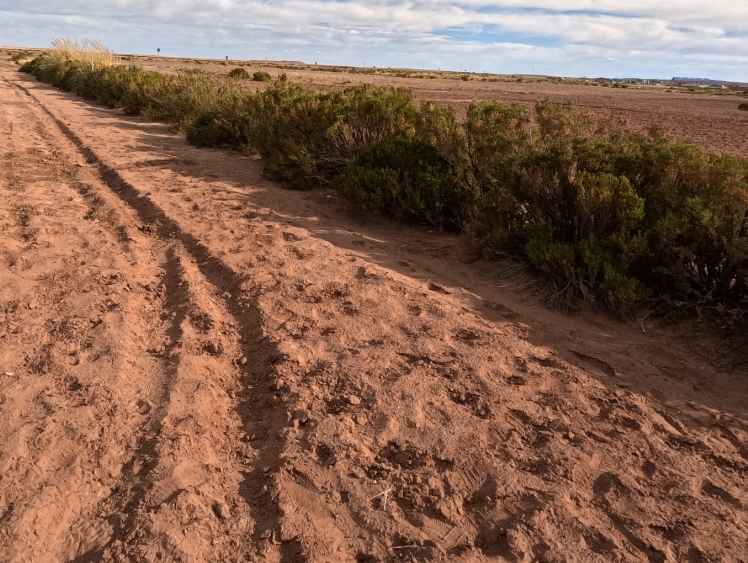
Wind barriers

Protects fields from strong Altiplano winds

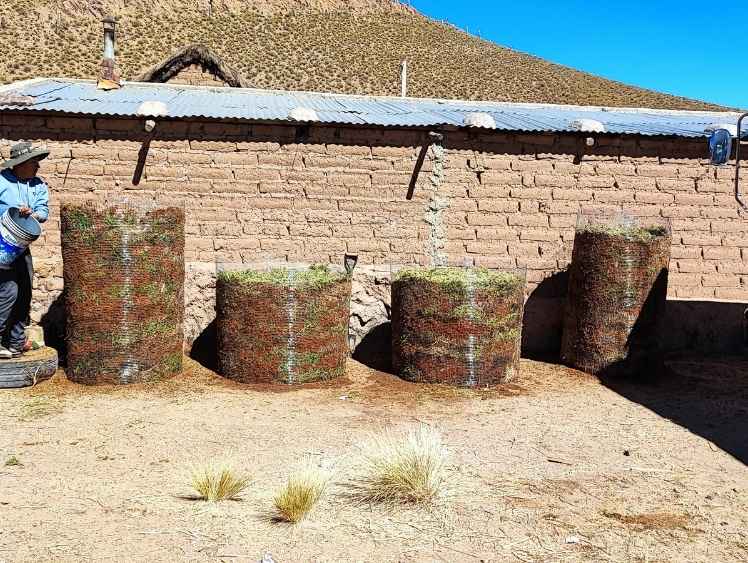
Composting 

Returns nutrients to the soil

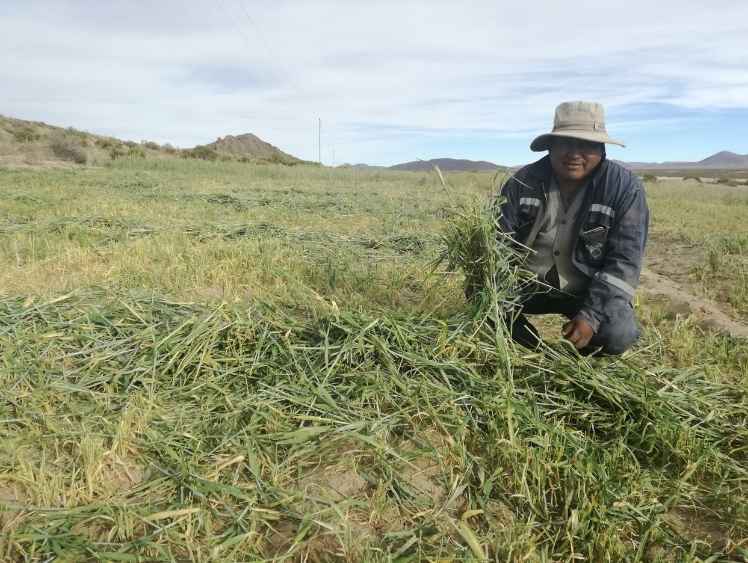
Cover crops

Increases biodiversity and soil health

Llama manure 

Restores organic matter naturally

Circular Economy in action​

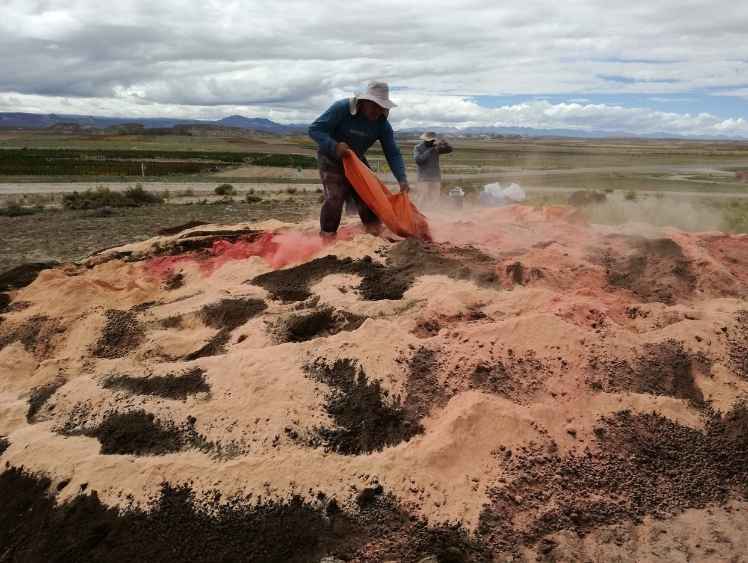
Every year, the processing of Quinoa generates approximately 2,500 tonnes of by-products. If not properly managed, these by-products end up in landfills, where they decompose and release carbon emissions into the atmosphere.

Through our regenerative agriculture project, these by-products are given a second life. Instead of becoming waste, they are returned to the fields and transformed into organic fertiliser that helps restore soil health. 

Healthy soils create healthier food.

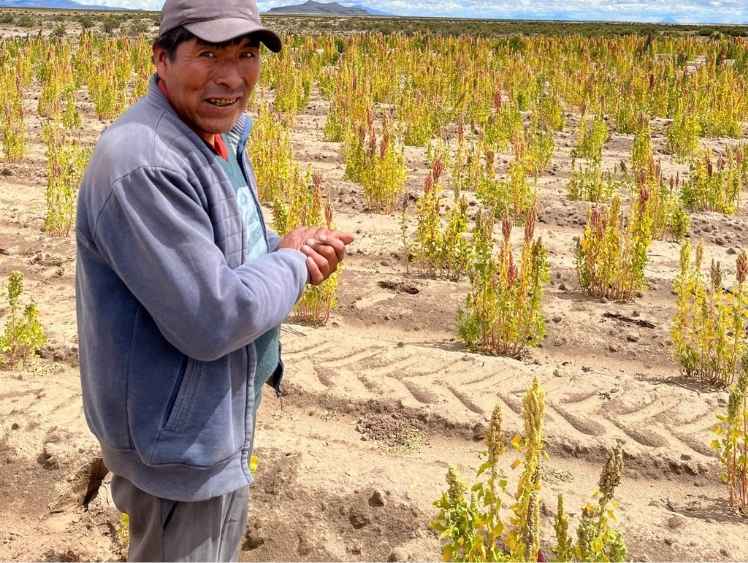
Regenerative agriculture is helping farmers improve soil health while producing larger grains, higher protein content and more resilient crops. Good food starts with healthy soil.

Sharing knowledge. Growing impact.

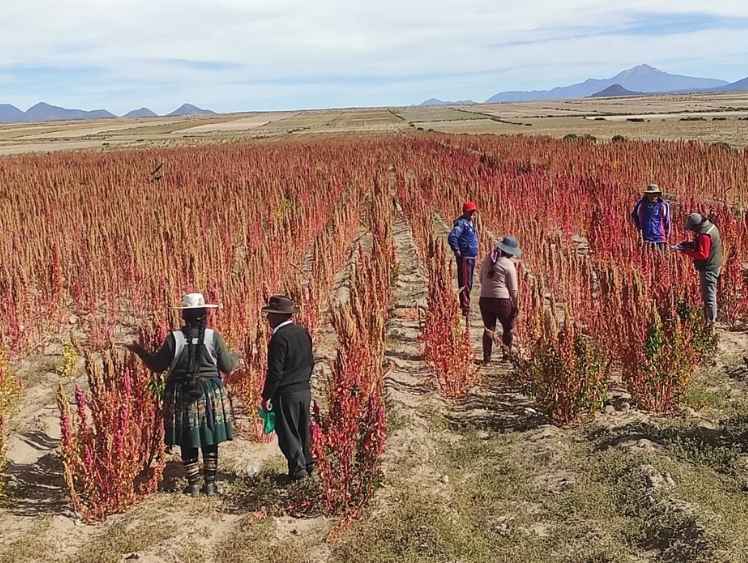
As part of the project, farmers participate in hands on seminars and field visits where they learn regenerative farming practices, share experiences and discover new ways to improve soil health and productivity.

Help bring life back to the soil

Every donation helps farming families in the Bolivian Altiplano restore soil health, strengthen food production and build a more resilient future through regenerative agriculture.