Regenerative agriculture: protecting the land behind our supply chain

Caring for the land behind every product

Regenerative agriculture starts with a simple idea: the land that feeds us also needs to be cared for.​

In many origin countries, farming is closely connected to the health of the soil, the protection of forests and the future of local communities. When land becomes degraded or forests disappear, the impact goes far beyond the field. It affects biodiversity, water, food production and the people whose livelihoods depend on these landscapes.

Regenerative agriculture is about working with nature instead of exhausting it. It focuses on restoring soil health, increasing biodiversity, improving resilience and creating farming systems that can continue to produce in the long term.

For Monchy Trivium Foundation, this is directly connected to our supply chain. Behind every ingredient, there is a place where it grows and a community that depends on it. By supporting regenerative agriculture projects in origin, trivium helps protect the landscapes that are part of our sourcing story and supports practical solutions where they are needed most.

Our work focuses on two different landscapes with two different challenges: forest restoration in colombia and soil regeneration in bolivia.

Regenerative agriculture does not look the same everywhere.

Colombia: growing with the forest, not against it

In colombia, one of the key challenges is the loss of forest landscapes.

When forests are cleared, biodiversity is lost, ecosystems become weaker and local communities lose part of the natural environment that supports their livelihoods. The challenge is not only to plant trees, but to create a productive system where people can earn an income while the forest is restored and protected.

This is where agroforestry plays an important role.

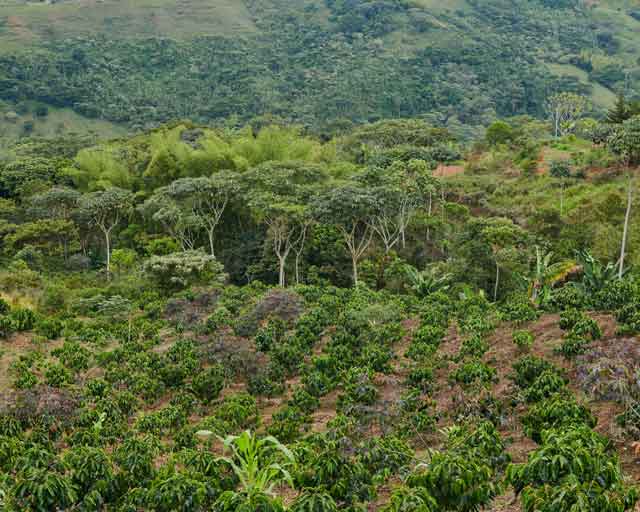
Agroforestry combines crops and trees in the same landscape. Instead of separating agriculture from nature, it brings them together. Trees help protect the soil, support biodiversity and create a healthier environment for crops to grow.

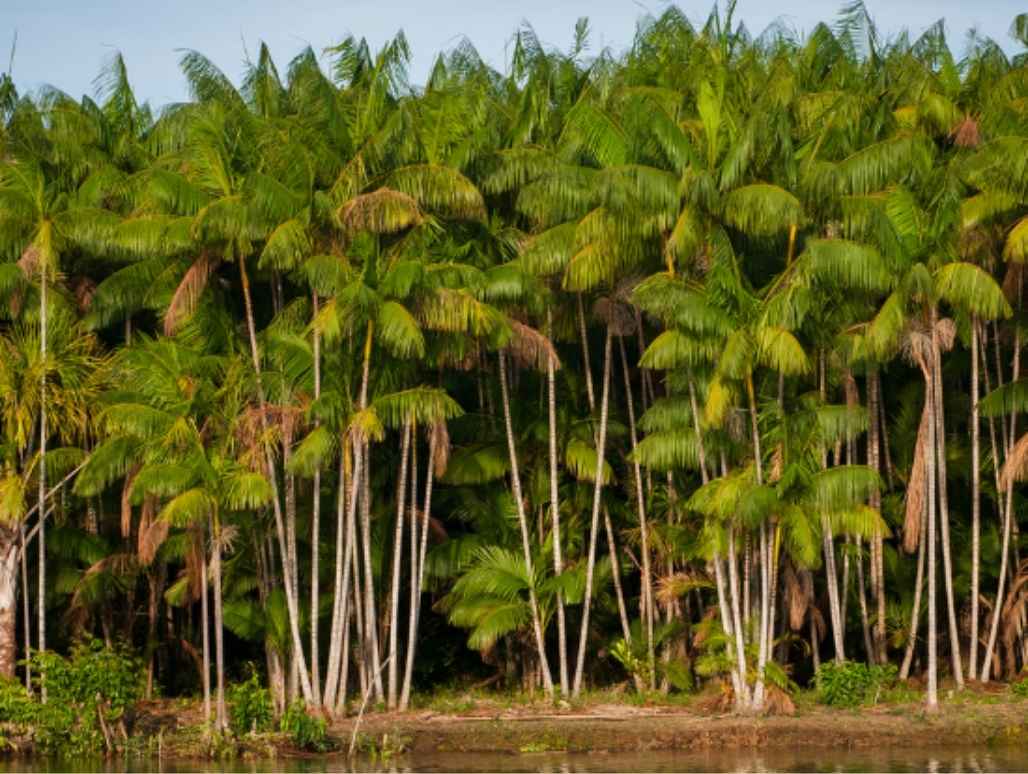
Through this project, Monchy Trivium Foundation supports the planting of açaí trees together with timber trees. The goal is to help restore forest cover while creating future opportunities for local communities.

In colombia, regenerative agriculture means rebuilding the connection between production, forest and people. 

Bolivia: bringing life back to the soil

In bolivia, the challenge is different.

In quinoa-growing areas, the soil is under pressure. Years of difficult growing conditions, wind, drought and intensive land use have made the soil more vulnerable. When soil loses organic matter and structure, it becomes less fertile and more exposed to erosion.

For farmers, this is not an abstract environmental issue. It affects what they can grow, how resilient their crops are and whether the land can continue to provide in the future.

Regenerative agriculture offers a way to rebuild soil health.

Through practices such as reducing soil disturbance, using organic matter, protecting the land from wind erosion and restoring natural balance, farmers can help bring life back to the soil.

Through this project, Monchy Trivium Foundation supports regenerative quinoa practices in bolivia. The goal is to help protect the land, strengthen farming systems and support a more resilient future for quinoa production.

In bolivia, regenerative agriculture means caring for the soil so it can continue to care for the people who depend on it.

Latest projects

How can you help us make a difference?

With your support we can continue to work on improving the living conditions of communities involved in our supply chain. We will build schools, community centers and address the most pressing needs. Together we can make a difference.

Schools built & renovated
0 +
Schools maintained and improved
0 +
Scholarships provided to students
0
Children continuing their education
0 +